Evidence into practice
A Tanzanian research non-profit working for more liveable, inclusive and resilient communities.


A research organisation rooted in Arusha, working nationwide
Urban Planning for Community Change (UPC) is a Tanzania-based local non-profit research-for-development organisation, formally established in January 2019.
We were founded to transform urban and rural development through rigorous evidence generation and use, bridging the gap between theory and practice in how development initiatives are planned and delivered in Tanzania.
Registered non-profit
Established January 2019 under the Tanzanian NGO Act No. 24 of 2002.
Nationwide mandate
Cleared to work in every region, district, ward and village of Tanzania Mainland.
Our vision, mission and approach
Where we are going, what we do to get there, and how we work with the people it affects.
Our vision
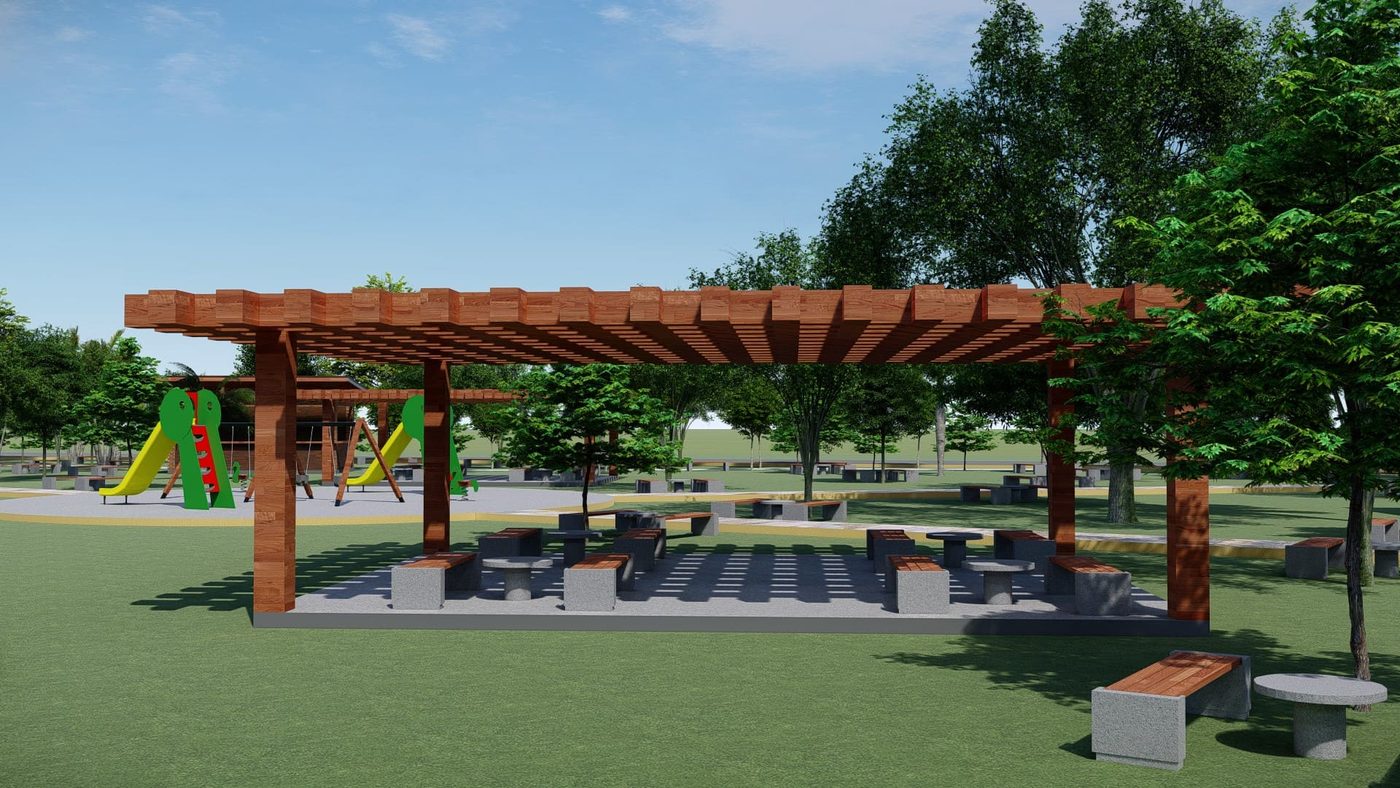
To be a leading scientific and community organisation where applied, collaborative research drives the rethinking and transformation of urban development.
Our mission
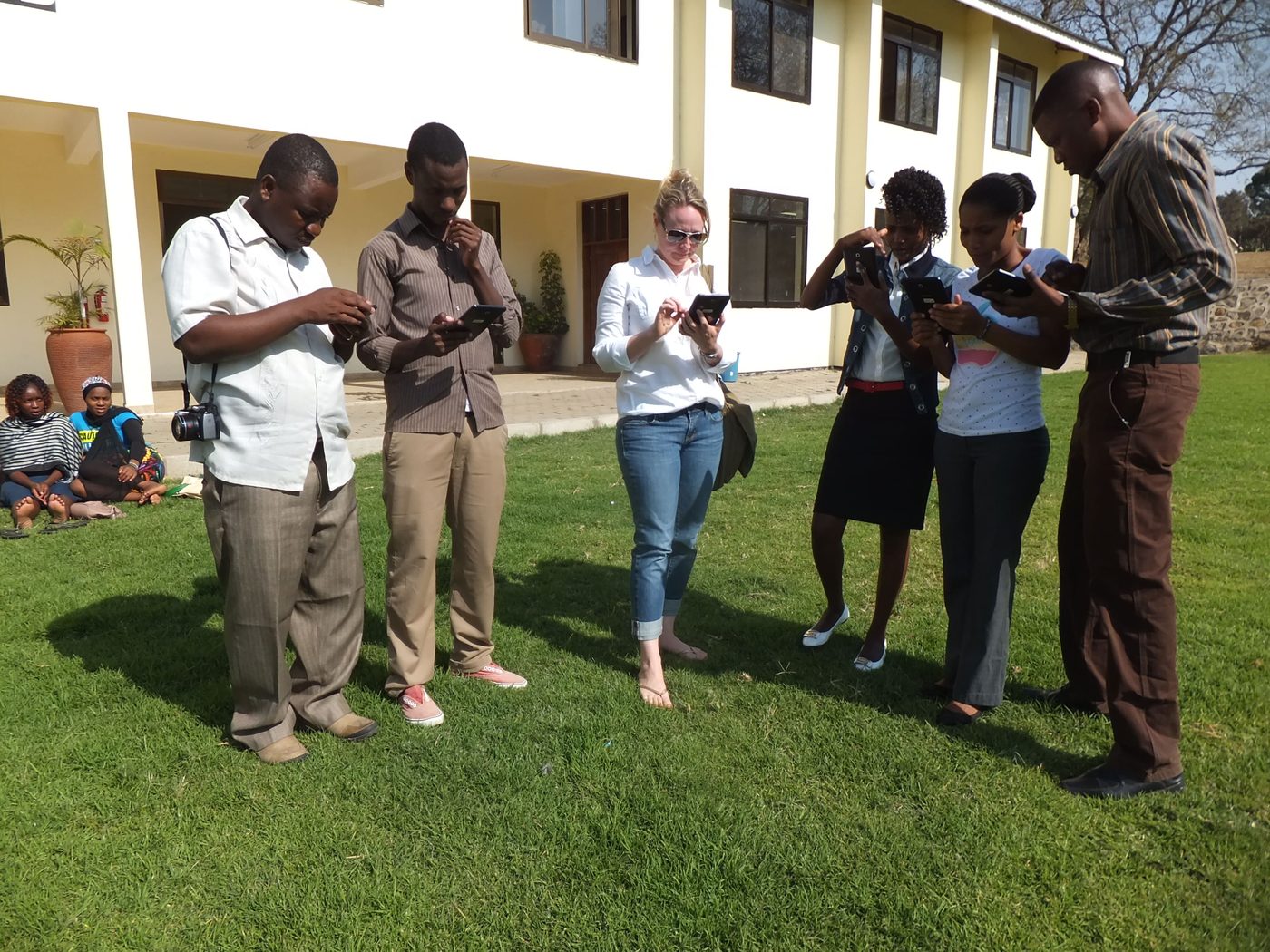
To generate and apply rigorous, locally grounded knowledge through collaborative research that advances innovative approaches to urban and rural development, planning, policy, and practice.
Our approach

Communities help set the questions, government partners help act on the answers, and we stay involved from study design through to what gets built.
What we set out to do
These seven objectives are written into our registration. Every study, park and training programme we take on answers to one of them.
Applied research
Facilitate and conduct applied research on urban and rural issues, including local food systems, open spaces and the environment, to influence policy decisions on sustainable development and poverty alleviation.
Liveable, safer cities
Promote liveable cities and urban safety among stakeholders, with the aim of increased community wellbeing and healthy cities.
Training and capacity
Facilitate and provide training opportunities and capacity building on urban and rural development issues, livelihoods, and poverty alleviation strategies.
Skills for communities
Raise awareness and impart transferable skills to local communities on how to improve their living conditions.
Knowledge sharing
Advocate for knowledge sharing, advocacy and policy discussion, with particular focus on reaching and mobilising people living in marginalisation, including disadvantaged youth.
Urban policy dialogue
Advocate for crafting and strengthening urban policies, and initiate policy dialogues that reflect on liveable cities and the Sustainable Development Goals in Tanzania and beyond.
Consultancy support
Undertake consultancies and provide technical support to our stakeholders and other actors.
How we work
The habits we hold ourselves to, in the field, in a council meeting and in the write-up.
Teamwork and professionalism
We work as one team and hold ourselves to professional standards in every engagement.
Community-centred
Communities are partners in the research, not subjects of it.
Creativity and innovation
We look for approaches that have not yet been tried where the familiar ones have not worked.
Result-oriented
We start from the challenge in front of us, and measure ourselves on what changes on the ground rather than on outputs produced.
Volunteerism and integrity
We give our time to the communities we serve and account honestly for our work.
Respect for human dignity
Every person we work with is treated with dignity, regardless of income, age, gender or ability.
Who answers for what
Strategic leadership, research, community engagement and field delivery, in one organisation.
Executive Director
Strategy, governance and resources
Provides strategic leadership and oversight of UPC's research, development programmes, partnerships, finance and operations, and holds responsibility for governance, quality assurance, accountability and timely delivery. The role builds the partnerships and mobilises the resources that turn evidence and community priorities into practical, sustainable work.
Research and Engagement Deputy Director
Partnerships, research and dissemination
Leads on forging partnerships across the private, philanthropic and development sectors, strengthening advisory services and identifying new opportunities. The role directs research and development projects, stakeholder and community engagement, and the publication of findings, pressing for evidence to be used in decisions and policy discussion.
Coordinator of Programmes
Delivery across the three programmes
Oversees the planning, coordination and delivery of UPC's programmes, keeping activities aligned with organisational objectives. The role supports programme teams and partners across liveable cities, youth and livelihoods, and inclusive community development, and answers for quality, timely delivery, monitoring, learning and stakeholder engagement.
Coordinator of Operations and Support
Finance, administration and compliance
Runs UPC's day-to-day administrative, financial, procurement, logistics and operational systems, so that programmes and field teams have what they need to deliver. The role covers budgeting, financial controls, procurement, human resources, travel, records, compliance and partner coordination, including reporting to donors and to the relevant Tanzanian government authorities.
Coordinator of Consultancy and Technical Support Services
The consultancy and advisory portfolio
Leads UPC's consultancy portfolio and the delivery of evidence-based research, planning, technical and capacity-building services. The role manages client relationships, quality assurance, project delivery and strategic partnerships, helping clients turn evidence into solutions they can sustain.
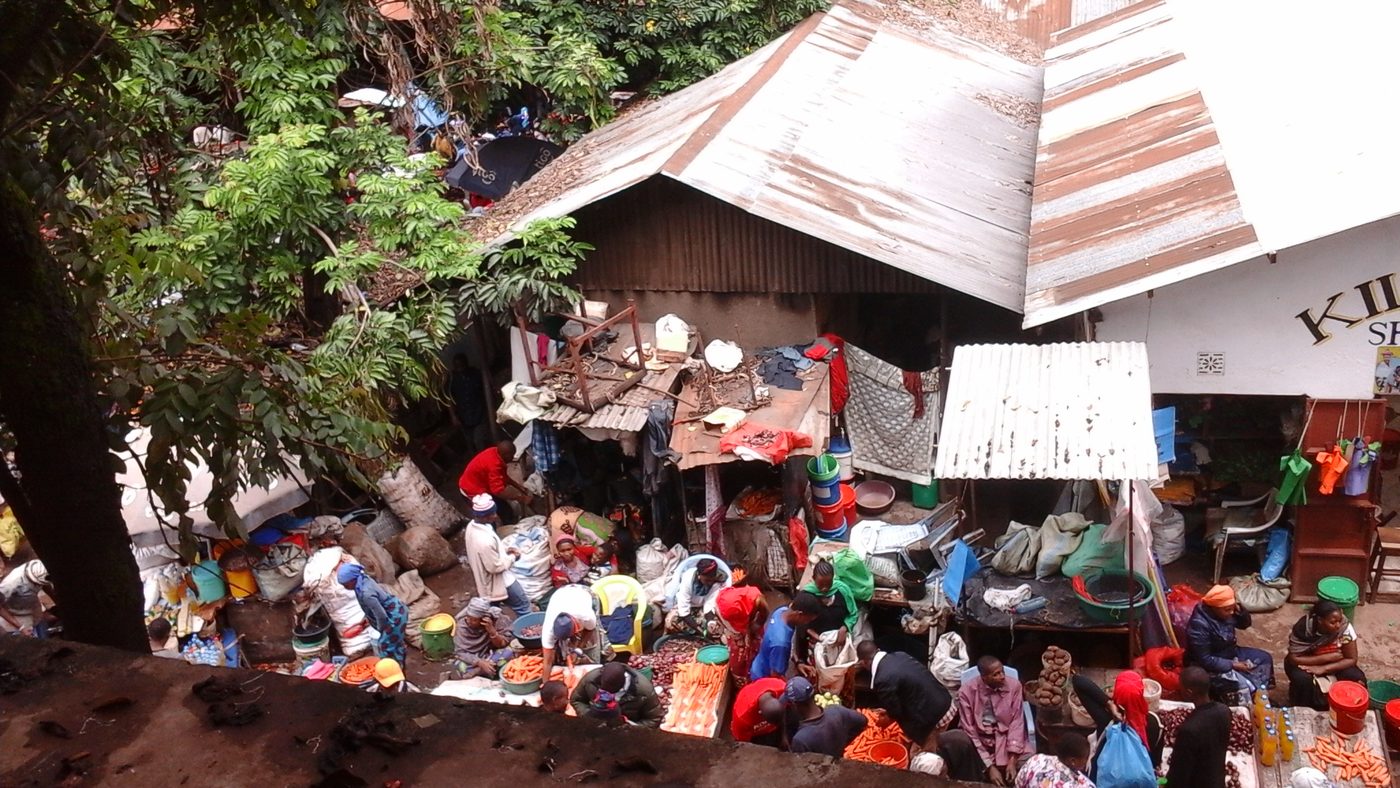
Promoting more liveable, inclusive and resilient communities
Evidence, design and delivery, in the places where the decisions land.
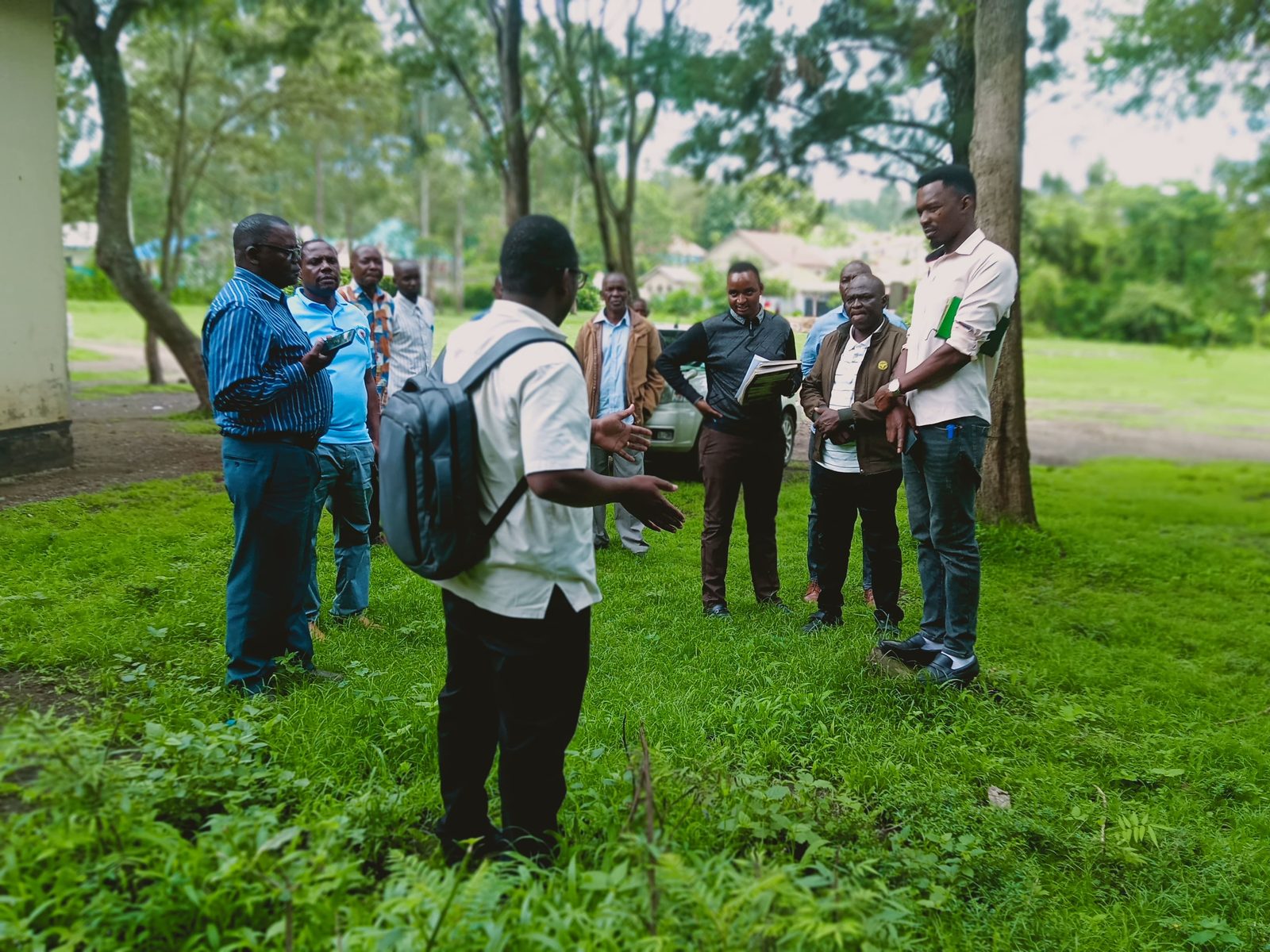
The questions we are asked most
1.What kind of work does UPC take on?
Applied research, evaluations, monitoring and learning assignments, data collection, GIS and spatial analysis, and urban and community planning. We also design and deliver the interventions themselves, from park construction to pedestrian crossings, alongside the studies behind them.
2.Where do you work?
Our registration covers every region, district, ward and village of Tanzania Mainland, and our office is in Arusha. Assignments have also taken us to Zanzibar, Morogoro, the Southern Highlands and Nampula in Mozambique.
3.Can we commission UPC for a study or an evaluation?
Yes. Consultancy and technical support is one of our three programmes. Tell us the question you need answered and the decision it feeds, and we will propose a method, a timeline and a budget.
4.Who do you work with?
Local and national government, development partners, civil society organisations and universities. The partners page lists the organisations we have worked alongside.
5.Can we read your publications?
Our research, reports and accords are listed on the publications page. Email us and we will send you a copy of anything on that list.
Looking for a research partner in Tanzania?
We take on work from study design through to delivery, across Tanzania Mainland and Zanzibar.